
What Happens When an Indian Citizen Dies Abroad? A Guide for Families
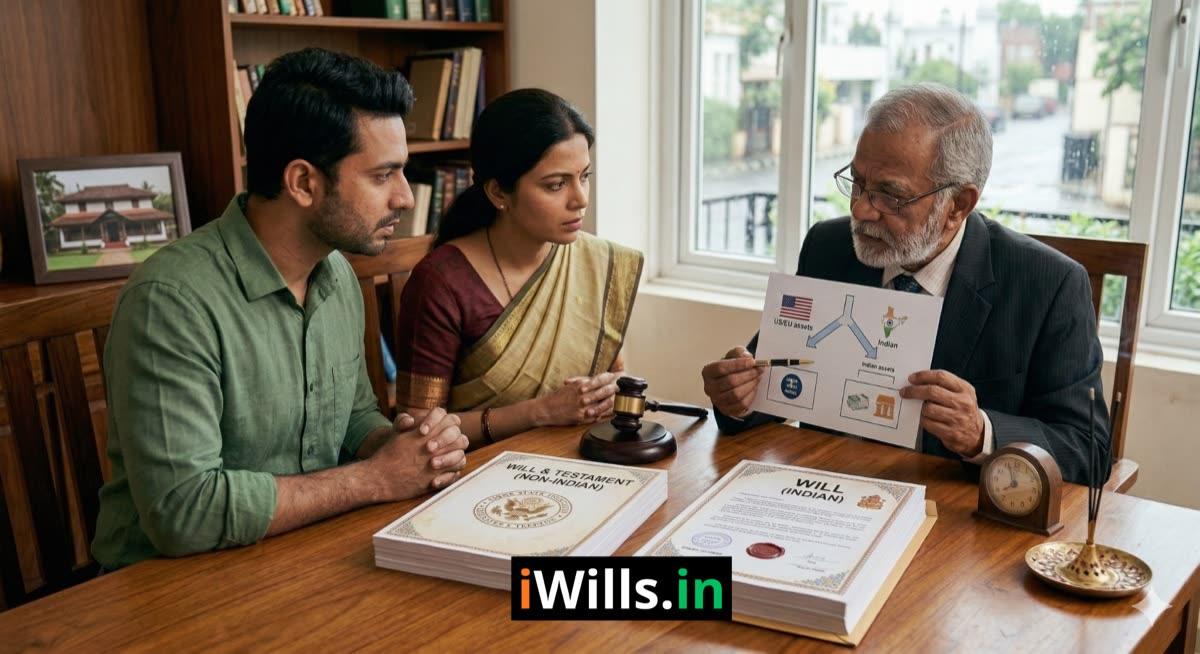
When a family member passes away on foreign soil, families are instantly thrust into an overwhelming maze of emotional grief, administrative procedures, and cross-border legal hurdles. This complexity multiplies when the deceased leaves behind financial and fixed assets anchored in India.
Understanding the legal realities, documentation standards, and asset recovery protocols can help grieving families navigate this difficult process with clarity and structure.
Recognition of Foreign Death Documentation in India
A common anxiety for families is whether a death certificate issued overseas will be accepted by institutions in India.
The death of an individual is ordinarily documented and certified by the competent civil or medical authority in the country where it occurred. Foreign death certificates can be used as evidence of death in India, subject to applicable authentication (such as an apostille or consular attestation), certified translation (if the document is in a foreign language), and the specific compliance requirements of the receiving institution.
Consular Assistance and Mission Procedures
Families frequently coordinate with the nearest Indian Embassy or Consulate during a crisis abroad. While Indian Missions provide valuable support—such as assisting with documentation, passport cancellation procedures, and coordination for the repatriation of mortal remains or ashes—the exact range of services, procedural requirements, and processing timelines can vary depending on the host country and local regulations. Families should directly contact the relevant Indian Mission to confirm local mandates.
Step-by-Step Practical Action Checklist for Families
When faced with a passing abroad, keeping a structured checklist helps families manage both immediate logistics and long-term asset claims:
- - Contact Local Authorities Promptly: Notify local hospitals, investigative authorities or police (as required by local law and the specific circumstances of the death), and the nearest Indian Embassy or Consulate to understand statutory requirements.
- - Contact Insurers and Providers: Promptly reach out to the travel insurance provider, employer, or credit card assistance desk to check claim deadlines, repatriation coverage, and procedural support.
- - Secure Official Documentation: Obtain the official medical report, the civil death certificate issued by the competent local authority, and any documentation pertaining to burial, cremation, or embalming.
- - Preserve and Organize Records: Retain original death records, certified translations, official receipts, and all correspondence.
- - Safeguard Indian Assets: Compile a comprehensive inventory of assets left in India. Contact institutions through their official communication channels and strictly follow their established deceased-customer claim procedures. Avoid unauthorised withdrawals or transfers from joint or individual accounts, as this can complicate legal succession processes.
Unlocking Assets in India: Navigating Claims and Legal Requirements
Accessing bank accounts, investments, and property left behind in India requires careful adherence to institutional guidelines and statutory laws:
- The Role of Nominees: A nominee facilitates the initial custody or operational settlement of eligible financial assets. However, nomination does not necessarily determine ultimate beneficial ownership; the rights of nominees and legal heirs are governed by the relevant legal framework and succession laws.
- Understanding Legal Documentation: Requirements vary extensively based on the asset category, presence of a nomination, institutional rules, and whether claims are disputed. Documents such as succession certificates, letters of administration, wills, or legal heir certificates serve distinct legal purposes and are not universally interchangeable.
- Powers of Attorney (PoA): While a PoA can help an appointed representative manage administrative paperwork or follow up with institutions locally in India, it does not automatically grant legal authority to administer or inherit a deceased person's estate.
The Value of Advance Estate Planning
Situations involving foreign soil highlight why proactive estate planning is invaluable. Preparing a legally valid Will, keeping asset inventories up to date, ensuring bank and locker nominations are current, and organizing digital and physical document trails empower families to locate holdings swiftly and record the testator's wishes regarding distribution subject to applicable law.
Frequently Asked Questions
Does the Indian Embassy issue a death certificate?
The Indian Mission registers deaths reported under specific consular guidelines, but it does not replace the primary civil death certificate issued by the competent local authorities of the foreign country.
Is a foreign death certificate valid in India?
Yes, foreign death certificates can be used as evidence of death in India, provided they satisfy necessary authentication, translation, and receiving-institution requirements.
Is an apostille always necessary?
Not universally. The requirement for an apostille or consular attestation depends on the issuing country, applicable international arrangements, and the internal compliance policies of the receiving institution in India.
How can families claim bank deposits and investments?
Families must submit a formal claim form along with the death certificate, appropriate identity and supporting documents required under the bank's applicable claim procedure, and proof of legal representation or nomination. Under Reserve Bank of India guidelines, banks maintain structured procedures and timelines for settling deceased depositors' claims.
Is a succession certificate always required?
No. A succession certificate is specifically required in certain contexts depending on the nature of the debt or security, the applicable legal framework, and the circumstances of the claim. Many financial assets with clear nominations or falling under simplified institutional claim thresholds can be settled without one.
How can a will help when assets are held in India?
A clear, legally valid Will records the testator's wishes regarding the distribution of their estate, subject to applicable law, helping guide families and reducing ambiguity during asset transmission.
Authoritative References & Further Reading
Disclaimer: This article is intended for general informational purposes only and does not constitute formal legal, financial, or consular advice. Procedures, documentation standards, and legal requirements vary significantly depending on the foreign country involved, the specific category of asset, and applicable succession laws. Families facing an active cross-border crisis should consult qualified legal professionals or the nearest Indian diplomatic mission for case-specific guidance.
Share this article
Join 10,000+ Indians who have secured their legacy with iWills India.