
Professional Executor for a Will in India: Fees, Duties, Benefits & How to Appoint One
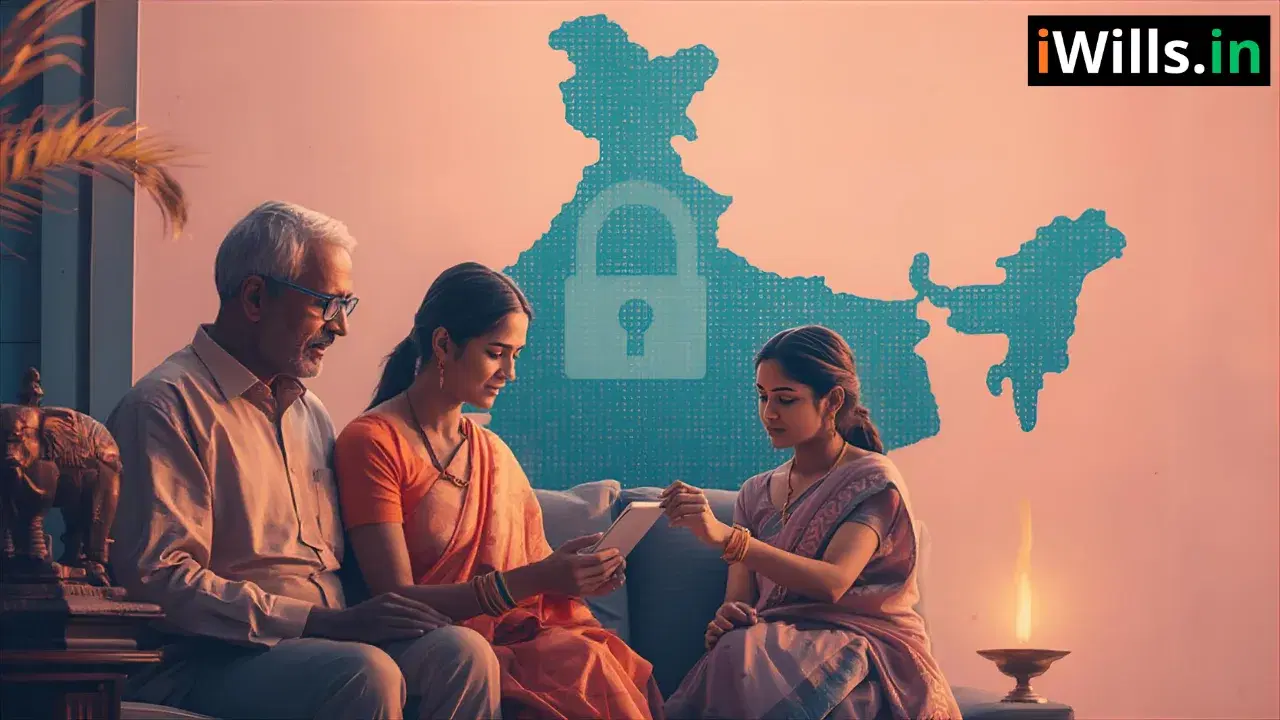
Writing a Will is one of the most important steps you can take to protect your family and ensure your assets are passed on according to your wishes. Yet many people spend weeks deciding who gets what, while giving almost no thought to who will actually carry out those instructions—your Executor.
Traditionally, most Indians name a spouse, an adult child, or a trusted family friend as their executor. While that works well for simple estates, modern realities—such as NRI children living abroad, complex investment portfolios, multiple properties, and blended families—have led more Will-makers to ask: Should I appoint a professional executor instead?
Understanding how Indian succession law governs executors, the real trade-offs of hiring a professional, and how to make the appointment properly can prevent costly delays for your loved ones. (If you are just getting started, read our foundational guide on how to make a Will in India.)
What Exactly Does an Executor Do?
An executor is the person or eligible entity you name in your Will to administer your estate after your passing. Their job goes far beyond simply handing over keys or bank balances. Key responsibilities include:
- Locating and securing the original Will and verifying the latest valid version.
- Identifying, safeguarding, and collecting assets across bank accounts, demat holdings, real estate, insurance policies, and business interests.
- Obtaining necessary court grants or legal documents, where applicable—such as Probate, which establishes the Will through the court and confirms the executor's authority. By contrast, a Succession Certificate is a separate court-issued document that provides authority concerning specified debts and securities of a deceased person; it should not be confused with probate or Letters of Administration, which serve different purposes in estate administration.
- Identifying and settling legitimate debts, liabilities, and funeral expenses before distributing anything to heirs.
- Addressing applicable tax obligations, including filing final income tax returns for the deceased and managing capital gains implications during asset liquidation.
- Transferring and distributing assets to the named beneficiaries in strict accordance with the Will.
- Maintaining clear records and accounting for all estate receipts, expenses, and distributions.
Important Legal Update on Probate: Following the Repealing and Amending Act, 2025, Section 213 of the Indian Succession Act, 1925, has been omitted. Consequently, probate is no longer compulsory under that provision for establishing rights as an executor or legatee. However, probate and other court procedures may remain relevant in particular estate disputes or administrative situations. The documents required for transferring assets should be checked with the relevant institution and in light of applicable law.
Who Can Be Appointed as an Executor in India?
An executor is generally an individual appointed by the person making the Will. A beneficiary can also be appointed as an executor. However, the Indian Succession Act, 1925 places specific restrictions on who can receive a grant of probate.
Under Section 223 of the Act, probate cannot be granted to a minor or a person of unsound mind. Special statutory rules also apply when an association of individuals, an organisation, or a company is proposed as an executor.
Do You Need a Professional Executor?
You are not legally required to hire a professional executor in India. For straightforward estates where heirs live locally and share good relationships, a trusted family member is often the most practical choice.
However, appointing a professional executor is worth serious consideration if:
- You have complex or high-value assets: Multiple properties, business equity, unlisted shares, or cross-border holdings that require specialized tax and legal coordination.
- Your children or beneficiaries are NRIs: Administering an estate from overseas can be complicated and often requires local coordination with Indian banks, sub-registrar offices, and tax authorities.
- You anticipate family friction: Second marriages, estranged relatives, or unequal asset distribution where an independent third party can help prevent disputes.
- You have no suitable family member: You are single, have no children, or your close relatives are elderly, unwell, or unwilling to take on administrative responsibilities.
Advantages of Appointing a Professional Executor
- Greater Independence and Objectivity: A professional does not take sides in family politics, which can provide greater independence and objectivity when distributing sensitive or high-value assets.
- Legal, Tax, and Procedural Experience: Experienced private-client lawyers, Chartered Accountants (CAs), or specialist estate administrators understand asset transmission, capital gains compliance, and probate procedures—reducing the risk of costly mistakes.
- Relief for a Grieving Family: Estate administration involves substantial paperwork, institutional follow-ups, and compliance. A professional lifts that operational burden from your spouse or children while they are grieving.
- Structured Accountability: An executor has legal responsibilities in administering the estate and must act in accordance with the Will and applicable law. Depending on the professional appointed, additional professional, contractual, or regulatory obligations may also apply.
Disadvantages of Appointing a Professional Executor
- Significant Fees: Unlike a family member who typically serves without pay, a professional executor charges for their time and expertise—reducing the net value passed on to your heirs.
- Not Necessarily Faster or Cheaper: Institutional compliance checks, formal onboarding, and layered approvals mean a professional executor is not automatically faster or more cost-effective than a proactive family member.
- Lack of Personal Familiarity: An external specialist will not naturally know your family's history, sentimental heirlooms, or unwritten context unless you document everything meticulously.
- No Automatic Continuity: Institutional continuity is not guaranteed. At large firms, staff turnover means the person administering your estate years later may not be the individual you originally consulted—making it essential to confirm succession arrangements upfront.
Family Executor vs. Professional Executor: Comparison
Not sure who should execute your Will? Start by identifying your beneficiaries, assets, and preferred executor. A properly drafted Will should clearly specify your primary executor and provide for an alternate wherever appropriate—you can create your Will online with structured prompts to get these details right.
How to Appoint a Professional Executor in India
If you decide a professional executor fits your needs, follow these steps to ensure the appointment is clear and enforceable:
1. Choose the Right Type of Specialist (and Verify Eligibility)
Depending on your estate's complexity, you might consider a senior succession lawyer, a Chartered Accountant, or an Institutional Executor or Eligible Corporate Entity.
- Important Check: Under Section 223 of the Indian Succession Act, 1925, probate cannot be granted to an association of individuals unless it is a company that satisfies conditions prescribed by State Government rules. Before appointing a company or institutional entity, verify that it is legally eligible to act as an executor under the applicable law and State rules. Do not assume that every bank, law firm, trust company, or estate-planning service provider can be appointed in this capacity.
2. Discuss and Document the Fee Structure Upfront
Professional executor fees in India can vary significantly. Depending on the arrangement, remuneration may be structured as a fixed fee, hourly charges, milestone-based payments, or an agreed percentage of the estate.
Discuss and document the remuneration arrangement in advance—including out-of-pocket expenses and additional legal or administrative costs—and ensure your Will explicitly authorizes the executor to draw their agreed fees from the estate.
3. Consult Them Beforehand and Name an Alternate Executor
Although obtaining written consent in advance is a sensible precaution, an appointed executor can subsequently renounce the executorship in accordance with the applicable legal procedure. Therefore, discuss the appointment, responsibilities, and remuneration beforehand, confirm how continuity is handled if an individual practitioner retires or leaves a firm, and always identify an alternate executor in your Will.
4. Consider a Joint (Co-Executor) Structure
You do not have to choose exclusively between a family member and a specialist. Under Section 224 of the Indian Succession Act, 1925, Indian law allows you to appoint multiple executors—for example, pairing your spouse or adult child with a professional executor so your family member provides personal context while the professional manages technical compliance.
Consider the number of joint executors carefully. While appointing multiple executors can provide checks and balances, it is important to define their responsibilities and ensure that joint decision-making does not create unnecessary administrative delays.
5. Maintain an Updated Asset Directory
Keep your signed original Will in a safe, known location and maintain a clear, updated inventory of your bank accounts, investments, insurance policies, property titles, and liabilities (without writing down sensitive login passwords in the Will itself).
Can an Executor Refuse to Act?
Yes. Being named in a Will does not legally force anyone—family member or professional—to take on the role. Under Sections 230 and 231 of the Indian Succession Act, 1925, a named executor may formally renounce the executorship, or fail to accept it within the time prescribed by the court.
If your sole named executor renounces the appointment, fails to accept it within the prescribed time, or dies before you, the estate may require further legal proceedings. Depending on the circumstances, Sections 231 and 232 of the Indian Succession Act, 1925, provide for Letters of Administration with the Will annexed to be granted to an eligible person. This may include a person entitled to administer the estate or a universal or residuary legatee, as applicable. Naming an alternate executor can help reduce the possibility of additional legal proceedings.
Can You Change Your Executor After Making a Will?
Yes. You can change the executor named in your Will if your circumstances or preferences change. For example, you may want to replace an executor who has moved abroad, become unavailable, or is no longer suitable for the responsibility.
You can generally make the change through a properly executed new Will or a codicil, subject to applicable legal requirements. It is important to ensure that your latest valid Will clearly identifies your chosen executor and any alternate executor.
Can an Executor Also Be a Beneficiary?
Yes. Under Indian law, an executor can also be a beneficiary (legatee) under the same Will. Being appointed as an executor does not disqualify someone from inheriting property or assets left to them in the Will.
This is why many people comfortably appoint their spouse or an adult child as both primary beneficiary and executor—provided there is little risk of family dispute.
Precaution on Witnesses: As a precaution, avoid appointing a beneficiary or their spouse as an attesting witness to the Will. Under Section 67 of the Indian Succession Act, 1925, where applicable, a bequest in favour of an attesting witness or their spouse may become void, even though the Will itself is not necessarily invalidated.
Frequently Asked Questions (FAQs)
1. Who can be appointed as an executor of a Will in India?
Any adult of sound mind can be appointed as an executor of a Will in India, including a family member, friend, beneficiary, or qualified professional. Under Section 223 of the Indian Succession Act, 1925, minors, persons of unsound mind, and ineligible associations or companies cannot be granted probate.
2. Can a beneficiary also be the executor of a Will?
Yes. A beneficiary named in your Will can legally serve as your executor without losing their right to inherit under the Will. However, avoid having a beneficiary or their spouse act as an attesting witness to the Will, as Section 67 of the Indian Succession Act, 1925 may void their bequest where applicable.
3. Can a lawyer or Chartered Accountant be appointed as an executor?
Yes, an individual lawyer or Chartered Accountant can be named as an executor in their personal capacity, provided they agree to take on the responsibility and any applicable professional rules are respected.
4. Can an executor refuse to execute a Will?
Yes. Under Sections 230 and 231 of the Indian Succession Act, 1925, an executor has the right to renounce the appointment or may fail to accept it within the prescribed time. If no alternate executor is named, the court may have to grant Letters of Administration with the Will annexed under Sections 231 and 232.
5. Can two or more people be appointed as joint executors?
Yes. Under Section 224 of the Indian Succession Act, 1925, you can appoint multiple joint executors—such as a spouse alongside a trusted professional—to share responsibilities and act as checks and balances, provided their roles are clearly defined so decision-making is not delayed.
6. Does an executor have to obtain probate in India?
Following the Repealing and Amending Act, 2025, Section 213 of the Indian Succession Act, 1925, has been omitted, meaning probate is no longer compulsory under that provision to establish rights as an executor or legatee. However, probate or other court procedures may still be relevant depending on administrative requirements, institutional rules, or estate disputes.
7. How much does a professional executor charge in India?
There is no fixed statutory fee in India. Professional executor fees vary widely based on estate complexity and may be structured as a fixed fee, hourly rate, milestone-based payment, or an agreed percentage of the estate. Always agree on and document fees in advance.
8. What happens if the executor dies before the person who made the Will?
If your named executor passes away before you, your Will itself remains valid. If you have named an alternate executor in the Will, that person steps in. If your sole executor dies before you and no alternate is named, you should update your Will—otherwise, after your passing, an eligible person such as a universal or residuary legatee will need to apply for Letters of Administration with the Will annexed under Section 232 of the Indian Succession Act, 1925.
Conclusion: Plan Your Legacy with Clarity
Choosing an executor is as important as deciding who inherits your assets. Whether you appoint a trusted family member, a professional specialist, or both, make sure your Will clearly defines their responsibilities and provides for an alternative if your first choice cannot act.
A well-drafted Will can help your loved ones navigate the estate administration process with greater clarity and fewer complications.
Ready to create your Will?
At iWills.in, our online Will-drafting service helps individuals prepare clear, structured Wills tailored around their assets, beneficiaries, and succession wishes. Start planning today and give your family greater clarity about your legacy.
(Disclaimer: This article is for informational purposes only and does not constitute legal advice. Laws and procedural requirements—including the practical application of recent statutory amendments—may vary based on your personal law, location, and asset profile. Please consult a qualified succession-law practitioner for advice specific to your estate.)
Share this article
Join 10,000+ Indians who have secured their legacy with iWills India.