
Does Calling Someone Your ‘Adopted Daughter’ Give Them Inheritance Rights in India?
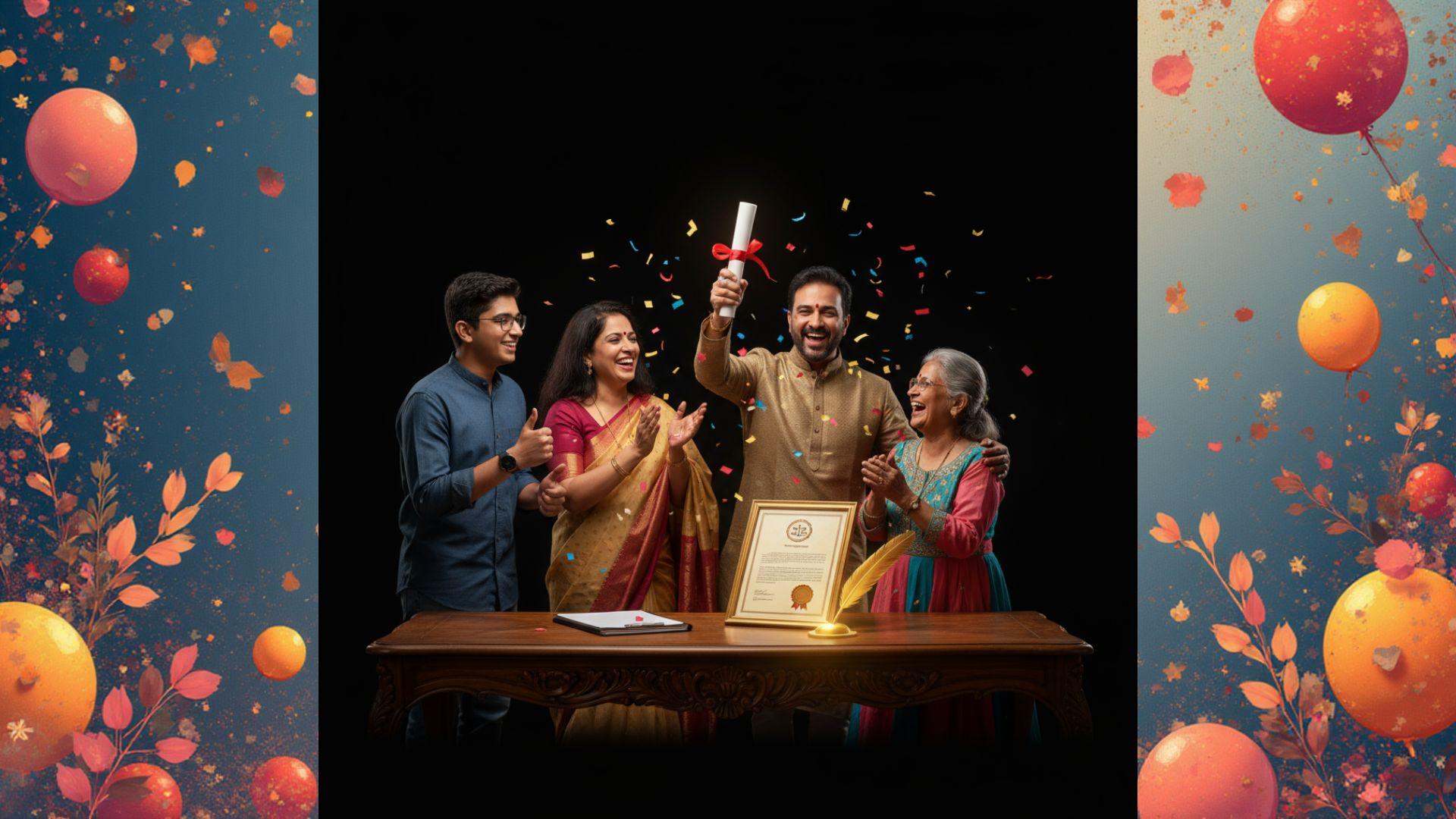
In many Indian households, familial bonds transcend paperwork. It is common to raise a niece, a distant relative, or the child of an acquaintance from infancy—treating, introducing, and loving her publicly as an “adopted daughter.”
While that relationship is genuine in your home and heart, Indian succession law relies strictly on recognized legal relationships. Merely calling or introducing someone as your adopted daughter does not, by itself, make her your legally adopted child or give her automatic inheritance rights as your child.
Social Parenting vs. Legal Adoption
Indian courts draw a clear line between informal guardianship—raising and supporting a child out of love and care—and a legally valid adoption.
For an adopted daughter to acquire the full legal status and statutory inheritance rights of a daughter, the adoption must comply with the applicable statutory framework:
Under the Hindu Adoptions and Maintenance Act, 1956 (HAMA): Applicable to Hindus, Buddhists, Jains, and Sikhs. A valid adoption must satisfy strict statutory conditions, including the legal capacity of the parties, eligible age criteria, and requisite consents. Crucially, the Act mandates that the child must actually be given and taken in adoption with the intent to transfer her from her birth family to the adoptive family. While a registered adoption deed creates a legal presumption under Section 16, registration alone does not validate an adoption that failed to meet core statutory requirements.
Age & Marital Status under HAMA: Generally, the person being adopted must be under 15 years of age and unmarried, unless a valid custom or usage applicable to the parties permits otherwise.
Under the Juvenile Justice (JJ) Act & CARA Framework: For secular adoptions across all communities, the process is governed by the JJ Act and CARA regulations. Under current law, adoption orders are issued by the competent District Magistrate (including Additional District Magistrates) rather than through civil court decrees.
If an informal arrangement does not satisfy these statutory requirements, the individual does not gain the legal status of an adopted child under the law.
What Happens If You Die Without a Will (Intestate)?
If you pass away without leaving a valid Will, your estate is distributed strictly according to the statutory rules of intestate succession applicable to your personal law:
Governed by personal laws: The rules depend on your faith (e.g., the Hindu Succession Act, 1956 for Hindus, or the Indian Succession Act, 1925 for Christians and Parsis). Under the Hindu Succession Act, for instance, self-acquired property devolves upon statutory Class I legal heirs—such as a surviving spouse, biological children, legally adopted children, and mother.
Informal daughters are excluded from statutory shares: If there is no valid adoption and no independent legal basis for inheritance, she will generally not inherit as your child under intestate succession rules—regardless of how many decades you lived as a family.
Why Nomination Alone May Not Be Enough
Relying on bank or investment nominations to pass assets to an informally adopted child carries significant risk.
The legal effect of a nomination varies depending on the asset type and the governing statute:
Bank deposits and investments: Nomination generally acts as a mechanism for the institution to discharge funds. Courts have consistently held that a bank nominee typically receives the money to hold it in trust for the statutory legal heirs.
Life insurance: While Section 39 of the Insurance Act provides beneficial rights to certain specific categories of close-family nominees, nominations across different financial products operate under distinct rules.
If your intention is to ensure an informally adopted daughter receives specific assets, relying blindly on nominations can lead to protracted disputes with statutory heirs.
Protecting Her Inheritance Through a Will
If formal adoption was never completed—or is no longer possible under personal law—a carefully drafted Will is usually the most direct and reliable way to record your true intentions.
Exercise your testamentary freedom: Under Indian succession law, an individual with testamentary capacity has the legal right to bequeath their self-acquired property to anyone, including non-relatives, distant kin, and informal dependents.
Identify her clearly: Clearly state her full legal name, parentage, and sufficient identifying details (such as current residential address and relationship context) to eliminate ambiguity or mistaken identity.
State your reasons explicitly: Explaining your affection and clear intention to provide for her helps counter any future claims by disgruntled legal heirs alleging undue influence or misunderstanding.
Frequently Asked Questions
Does an adopted daughter have equal inheritance rights in India?
Yes. If the adoption is legally valid under HAMA or the JJ Act, an adopted daughter enjoys the exact same inheritance rights as a biological child under intestate succession.
Can I leave my property to someone who is not legally related to me?
Yes. You have full testamentary freedom to bequeath your self-acquired property to any person or entity through a valid Will.
Is a registered adoption deed enough to prove an adoption?
A registered deed creates a statutory presumption of validity under HAMA, but it does not cure fundamental legal defects if mandatory statutory conditions (such as the actual giving and taking of the child) were not met.
Can legal heirs challenge a Will that leaves property to a non-relative?
Legal heirs can attempt to challenge a Will on grounds like lack of testamentary capacity, fraud, or undue influence. However, clearly documenting your sound mind, explicit intentions, and having the Will properly attested by independent witnesses significantly minimizes this risk.
A Will allows you to define who should inherit your self-acquired assets. If someone is your daughter in every sense except formal statutory adoption, do not leave her financial security to default intestate laws. Record your intentions clearly.
Protect the people you love with a legally sound Will. Draft your customized Will on iwills.in today to ensure your assets reach the individuals you truly consider family.
Share this article
Join 10,000+ Indians who have secured their legacy with iWills India.