
The Mystery of the Bank Locker: What Happens to Your Valuables After You Are Gone?
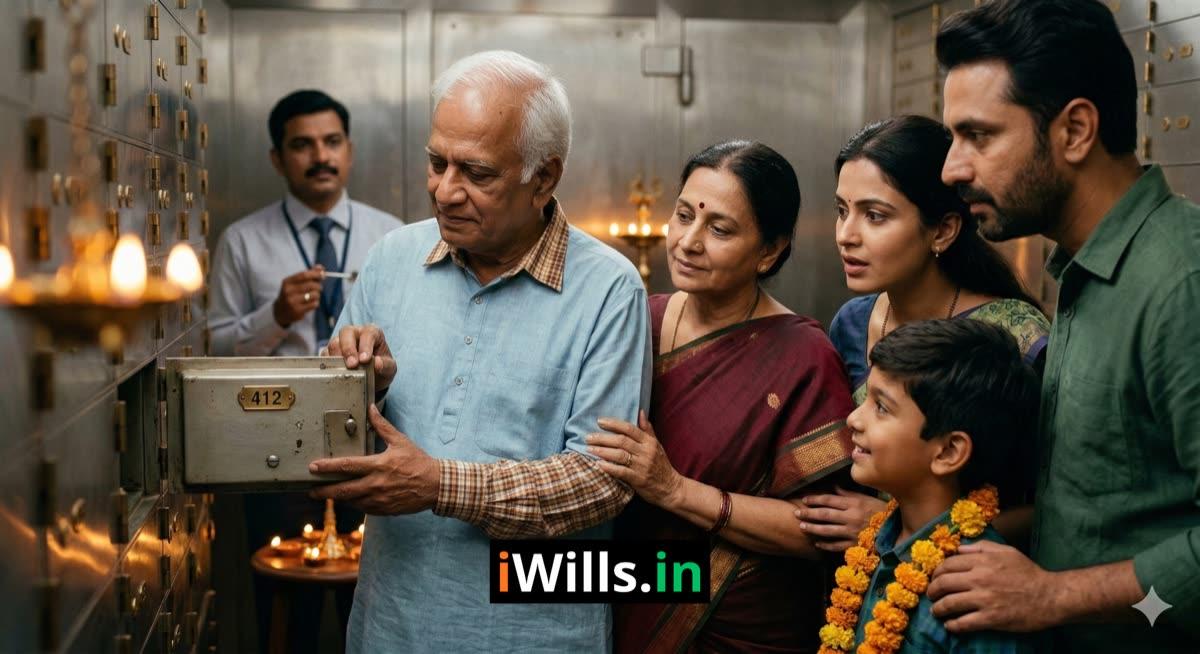
In India, a bank locker is often seen as the ultimate "safe space" for family gold, title deeds, and ancestral jewelry. However, there is a massive legal gap between opening a locker and owning what is inside.
If you own a locker jointly, have a nominee, or are planning to include your locker in a Will, you must understand how Indian banking law and succession law actually work together.
1. The Nominee is a "Trustee," Not the Owner
This is the most misunderstood part of Indian banking. When you appoint a nominee for your locker, you are telling the bank: "If I die, give this person the key." Under the Banking Regulation Act, the bank’s responsibility ends once they hand the contents to the nominee. However, the law is clear: A nominee is merely a custodian (trustee). They have the right to access the locker, but they do not automatically own the jewelry. The legal ownership belongs to the Legal Heirs mentioned in your Will.
2. Jointly Owned Lockers: The "Survivor" Rule
How a locker is handled depends on the "mandate" you signed with the bank:
"Either or Survivor": If one holder passes away, the survivor gains full access. They can continue to operate the locker or close it.
"Jointly Operated": If both signatures were required to open it, and one person dies, the bank will require the survivor AND the nominee (or legal heirs) to open it together and create an inventory of the contents.
The Trap: Just because a survivor can open the locker doesn't mean they own everything inside. If the deceased person’s Will states their share of the jewelry goes to someone else, the survivor is legally obligated to hand it over.
3. Can a Will "Contain" a Locker?
Technically, you do not own a locker; you rent it. Therefore, a Will cannot "transfer" the locker itself. Instead, a Will must focus on the contents.
When writing a Will, it is not enough to say, "I give my locker to my daughter." To be legally airtight, you must be specific. A well-drafted Will should identify:
The Bank Name and Branch.
The Locker Number.
The specific items inside (Gold, Documents, Cash).
4. How to Mention a Locker in Your Will
To avoid family disputes and "missing jewelry" allegations, your Will should include a clear Locker Clause. Here is an example of how to frame it:
"Regarding my Safe Deposit Locker No. [123] at [Bank Name], [Branch], held jointly with [Name], I hereby bequeath my entire share of the contents—including all gold ornaments, silver articles, and property documents—to my son, [Name]. My Executor is authorized to take an inventory and ensure the transfer of these assets."
Essential Checklist for Locker Owners
Final Advice for Peace of Mind
The smoothest way to pass on your valuables is to ensure your Bank Nominee and the Beneficiary in your Will are the same person. This removes the friction between "who opens the door" and "who keeps the treasure."
Without a Will, your locker becomes a "black box" that can stay locked for years while your family fights over the contents in court.
Share this article
Join 10,000+ Indians who have secured their legacy with iWills India.