
Beyond the Text: Why Your Will Needs Supporting Documents and Annexures
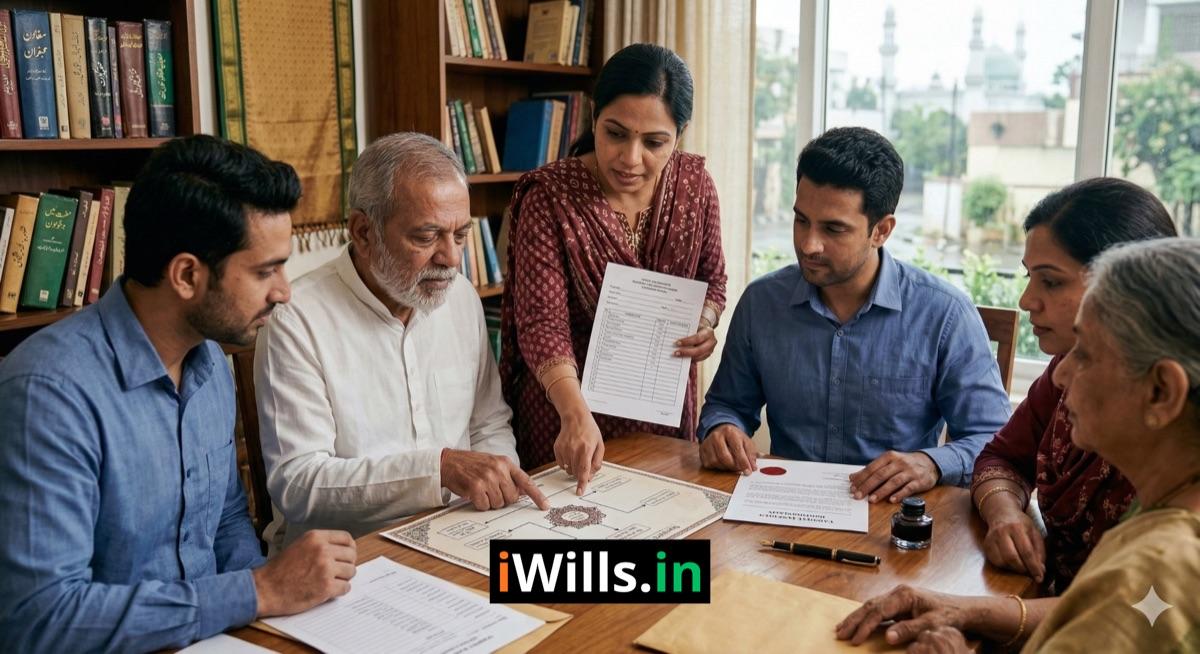
When drafting a Will, most people focus entirely on the "who"—who gets the house, who gets the jewelry, and who gets the bank balance. However, the legal strength of a Will often depends on the "what." In the absence of the testator (the person making the Will), the biggest hurdle for executors and family members is the unambiguous identification of assets.
At iWills.in, we advocate for a "Documentation-First" approach. Including supporting documents, photographs, and valuation certificates as annexures to your Will is not just a good practice; it is a strategic move to prevent future litigation.
The Legal Logic: Why Evidence Matters
Under the Indian Succession Act, 1925, a Will must be clear and certain. If a description of an asset is too vague, that portion of the Will can be declared void for uncertainty. Adding supporting documents serves three critical functions:
1. Eliminating Ambiguity
A statement like "I leave my gold to my daughter" is legally "latent with ambiguity" if you own multiple sets of jewelry. A photograph and a valuation certificate attached as an annexure turn a vague wish into a specific, undeniable instruction.
2. Establishing "Title" and Ownership
A Will is only valid for assets you legally own. By attaching a Sale Deed copy or a Share Certificate, you provide immediate "Prima Facie" evidence of your ownership, saving your heirs from running to government offices to prove you had the right to give the property away.
3. Preventing Challenges based on "Suspicious Circumstances"
Indian courts often scrutinize Wills for "suspicious circumstances." A Will that is accompanied by organized, updated documents and valuation certificates demonstrates a high level of testamentary capacity—proving that the person making the Will was meticulous, aware of their holdings, and acting with a clear mind.
The Annexure Checklist: What to Attach
To make a Will truly "execution-ready," specific documents should be categorized and attached as Annexures.
I. Immovable Assets (Real Estate)
Real estate is the most litigated asset class in India. To uniquely identify a property, attach:
Recent Property Tax Receipt: This contains the unique property ID, ward number, and exact location details.
Index II or Allotment Letter: These provide the registration history and specific flat/plot dimensions.
Society Share Certificate: For apartments, this proves membership and your right to transfer the unit.
II. Movable High-Value Assets
Unlike property, movable assets like jewelry can be easily contested or misplaced.
Gold and Jewelry:
Photographs: Clear images of specific sets.
Valuation Certificates: A report from a government-approved valuer fixing the weight and purity of the gold at the time of the Will.
Vehicles: A photocopy of the RC (Registration Certificate) to ensure the engine and chassis numbers are recorded.
Art and Collectibles: Certificates of authenticity or purchase invoices.
III. Financial and Digital Assets
In an era of "forgotten" bank accounts and unclaimed insurance, these documents act as a map for your executors:
Bank Accounts: Copy of the passbook's first page or a canceled check (to show the IFSC and Account Number).
Demat Holdings: The Client Master List (CML), which summarizes all stocks and bonds in a single document.
Insurance Policies: The policy bond front page, specifically highlighting the policy number and existing nominee.
How to Correctly Reference Annexures
To ensure your attachments have legal standing, they must be referenced within the body of the Will. A standard format used by legal professionals is:
"I hereby bequeath my residential property at [Address] to [Beneficiary Name]. For the purpose of unique identification, a copy of the latest Property Tax Receipt is attached herewith as Annexure A."
Summary for iWills.in Users
A Will without supporting documents is a map without coordinates. By taking the extra step to include photographs of jewelry, valuation certificates for gold, and clear property IDs for real estate, you are removing the "burden of proof" from your loved ones.
The goal of a Will is peace of mind. Organizing your documents as annexures today ensures that your legacy is distributed exactly as you intended, without the shadow of a legal doubt.
Share this article
Join 10,000+ Indians who have secured their legacy with iWills India.