
How to Choose the Right Witnesses for Your Will in India
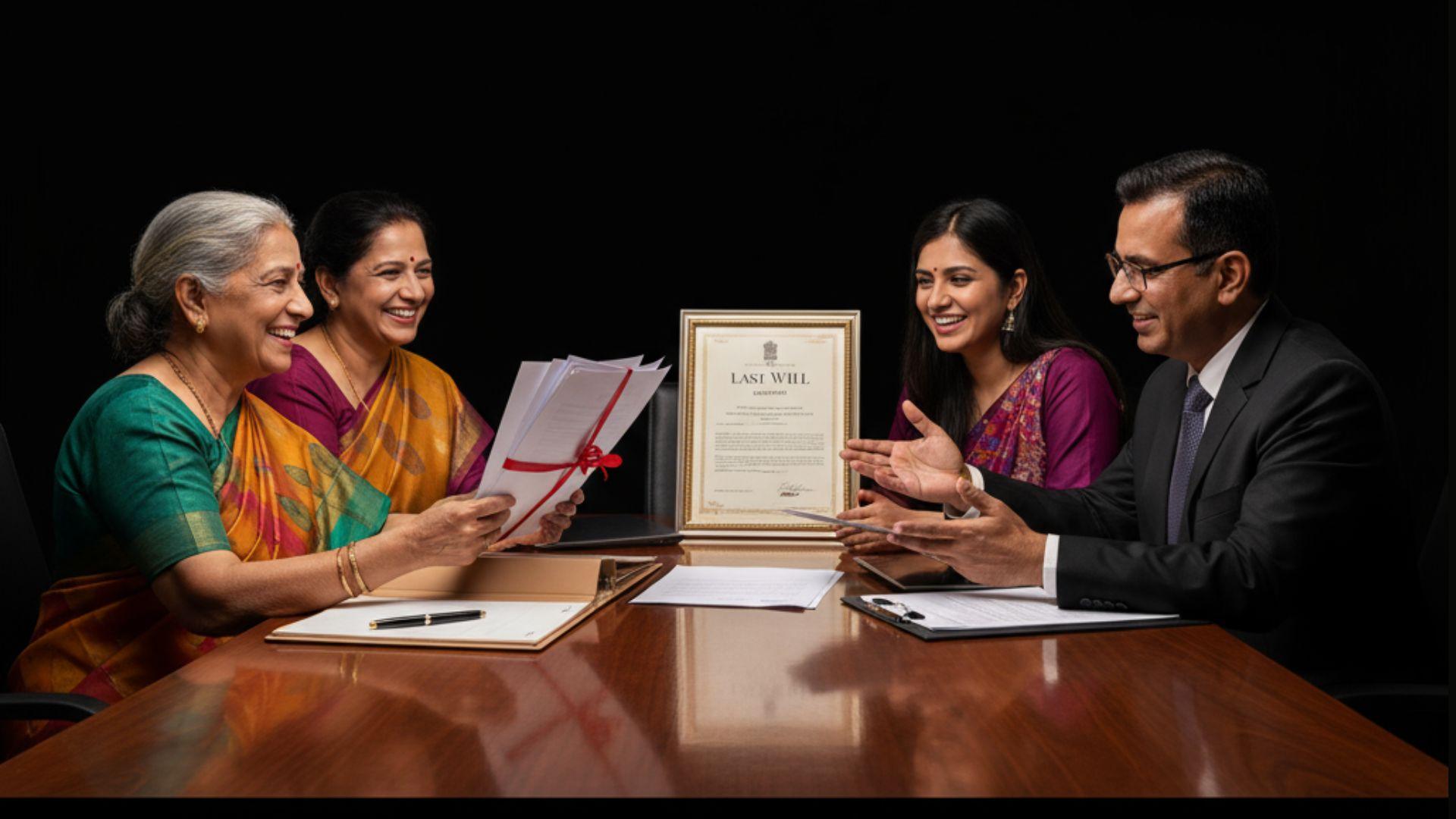
To tailor this specifically for the Indian legal landscape under the Indian Succession Act, 1925, we need to sharpen the terminology and address specific local nuances like the "Beneficiary Rule" and the role of the Sub-Registrar.
Here is the corrected version for your blog:
The Ultimate Guide to Will Witnesses in India
Writing a Will is a vital step in securing your family's future. However, in India, the validity of your Will doesn't just depend on what is written inside; it depends heavily on how it is attested. Even a perfectly drafted Will can be challenged in court if the witnessing process doesn't follow the strict mandates of the Indian Succession Act, 1925.
Witnesses are the legal "gatekeepers" of your final wishes. They aren't there to read your private distributions; their sole job is to confirm that you signed the document of your own free will and in a sound state of mind.
1. The Legal Requirements in India
Under Section 63 of the Indian Succession Act, the rules for "attestation" are very specific:
The "Rule of Two": You must have at least two witnesses.
The Simultaneous Presence: While the law allows witnesses to sign at different times, it is "best practice" for everyone to be in the same room. You must sign (or affix your mark) in the presence of the witnesses, and each witness must sign the Will in your presence.
Capacity: Witnesses must be adults (18+) and of sound mind. They must understand they are witnessing a legal document, even if they don't know the contents.
2. Who Can (and Should) be a Witness?
In India, eligibility is often confused with "custom." To ensure your Will stands up in a probate court, follow these criteria:
The "Beneficiary" Trap
In India, the rules regarding beneficiaries as witnesses are nuanced but dangerous:
For most Wills: If a beneficiary (or their spouse) witnesses a Will, the gift to that person becomes void (Section 67).
For Hindu, Buddhist, Sikh, and Jaina Wills: While the gift isn't technically voided by law, using a beneficiary as a witness is highly discouraged. It creates "suspicious circumstances" that make it incredibly easy for other relatives to challenge the Will on grounds of undue influence or fraud.
3. The Execution Ritual: Step-by-Step
To make your Will "bulletproof" for the probate process:
Gather the Trio: Sit together with your two chosen witnesses.
The Declaration: Clearly state, "This is my Will, and I am signing it voluntarily."
The Signature: Sign (or thumbprint) every page. This prevents any claims of page-swapping later.
The Attestation: The witnesses must sign their full names and provide their complete address and occupation. This is vital so the court can locate them years later if the Will is contested.
4. FAQs for the Indian Context
Can my Executor be a witness?
Yes. In India, an Executor is a "disinterested" party unless they are also receiving a gift in the Will. If they are only an Executor, they can safely witness.
What if we go to the Sub-Registrar's Office?
If you choose to register your Will, the two witnesses must accompany you to the Sub-Registrar’s office. They will need to provide their Aadhaar cards and undergo biometric verification (fingerprints and photos) alongside you.
Does a Will need to be notarized or on Stamp Paper?
No. In India, a Will can be written on plain paper. It does not require stamp paper or a notary to be valid. However, registration at the Sub-Registrar’s office is the "gold standard" for authenticity.
The Bottom Line: Don’t let a technicality ruin your legacy. Choose two independent, younger, and reliable adult witnesses who have no stake in your assets. Ensure everyone stays in the room until the last pen stroke is made.
Share this article
Join 10,000+ Indians who have secured their legacy with iWills India.