
Can You Will a Leased Property? How to Pass On Leasehold Rights
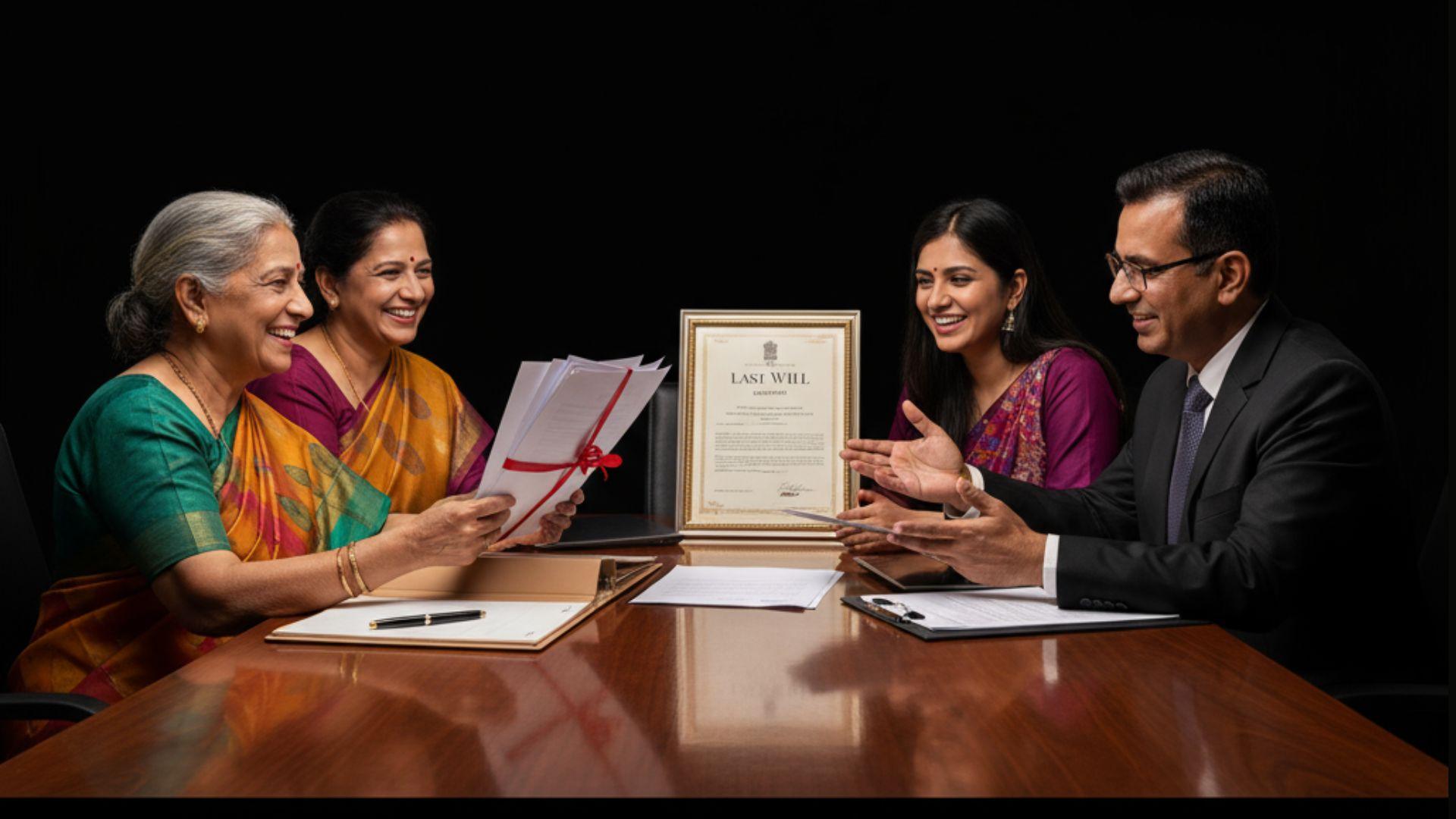
When we think about writing a Will, we typically think about properties we own outright—like a purchased flat or ancestral land. But what happens if you hold a long-term lease?
If you have leased a residential or commercial property for 40, 60, or 99 years, and you pass away in year 15, what happens to the remaining 25 years? Does the property revert immediately to the landlord, or can you pass the remainder of the lease down to your children?
In India, the short answer is yes, you can bequeath a leasehold right in your Will—but your lease agreement has the final say. Here is what you need to know about passing on leased assets to your beneficiaries.
1. You Are Bequeathing "Time," Not the Property
The most crucial distinction in estate planning for leased assets is understanding what you actually own.
With a freehold property, you own the land and the structure absolutely. With a leasehold property, you only own the right to use the property for a specific period. Therefore, when you write a leasehold property into your Will, you are not giving your son the physical house; you are giving him the unexpired portion of the lease.
If you die 15 years into a 40-year lease, your beneficiary only inherits the right to occupy and use the property for the remaining 25 years. Once the 40 years are up, the property rights revert to the original owner (the lessor), unless the lease is renewed.
2. The Golden Rule: Read Your Lease Deed
Under the Indian Transfer of Property Act, leasehold interests are generally considered heritable and transferable assets. However, contract law overrides default inheritance rights.
Whether your Will is valid depends entirely on the specific clauses written into your original lease agreement. You must look for two critical conditions:
"Termination Upon Death" Clause: Some private lease agreements explicitly state that the lease automatically terminates upon the death of the lessee. If your contract has this clause, your leasehold right dies with you. You cannot Will it to your children.
Restriction on Assignment or Transfer: Many leases state that the tenant cannot transfer, assign, or part with the possession of the property without the written consent of the landlord. While bequeathing a lease via a Will is an involuntary transfer by operation of law (and Indian courts often allow it), restrictive clauses can still lead to legal friction with the landlord.
Key Takeaway: If your lease deed is silent on death or inheritance, Indian courts generally presume that the leasehold rights pass on to your legal heirs or the beneficiaries named in your Will.
3. Government Leases vs. Private Landlords
The process of inheriting a lease looks very different depending on who owns the land.
Government/Authority Leases (DDA, MHADA, CIDCO): Many properties in Indian cities are built on land leased from government development authorities for 99 years. These authorities have well-established legal frameworks for transferring (mutating) the leasehold rights to legal heirs upon the lessee's death. Having a registered Will makes this mutation process significantly smoother and prevents disputes among siblings.
Private Leases: If you leased a commercial space for 40 years from a private builder or individual, they might fight the transfer to your heirs to try and reclaim the property early (especially if property values have skyrocketed). A clearly drafted Will, combined with a lease deed that permits inheritance, is your strongest defense against an aggressive landlord.
4. How to Draft the Leasehold Clause in Your Will
Precision is critical to ensure your beneficiaries do not face eviction. Do not use vague language like, "I give my shop to my son." You must explicitly identify the lease deed, the remaining tenure, and the transfer of liabilities (like paying the ongoing rent).
Here is the exact legal template you should adapt for your Will:
"I hereby bequeath all my leasehold rights, title, and interest in the property located at [Full Property Address], which I currently hold under a registered Lease Deed dated [Date of Deed] executed with [Name of Lessor/Landlord] (registered as Document No. [Registration Number]), to my son, [Son's Full Name]. He shall be absolutely entitled to use, occupy, and enjoy the property for the unexpired residue of the [e.g., 40-year] lease term. This bequest is subject to his strict compliance with all terms, conditions, and payment of rent and liabilities as stipulated in the original Lease Deed."
Secure Your Unexpired Rights
Long-term leases are highly valuable assets, especially for commercial properties or generational family homes. Leaving them out of your estate plan creates a vacuum that landlords or disagreeing family members might exploit.
At iWills.in, we ensure your Will correctly distinguishes between your freehold properties and your leasehold rights, drafting precise clauses that protect your beneficiaries from legal loopholes. Don't let your remaining lease years go to waste—safeguard your family's right to occupy and use what you have built.
Ready to secure your leasehold assets?
Draft a legally airtight Will that covers every detail of your estate at iWills.in.
Share this article
Join 10,000+ Indians who have secured their legacy with iWills India.