
Beyond Ownership: Why the Supreme Court Wants Hindu Women to Write Wills Today
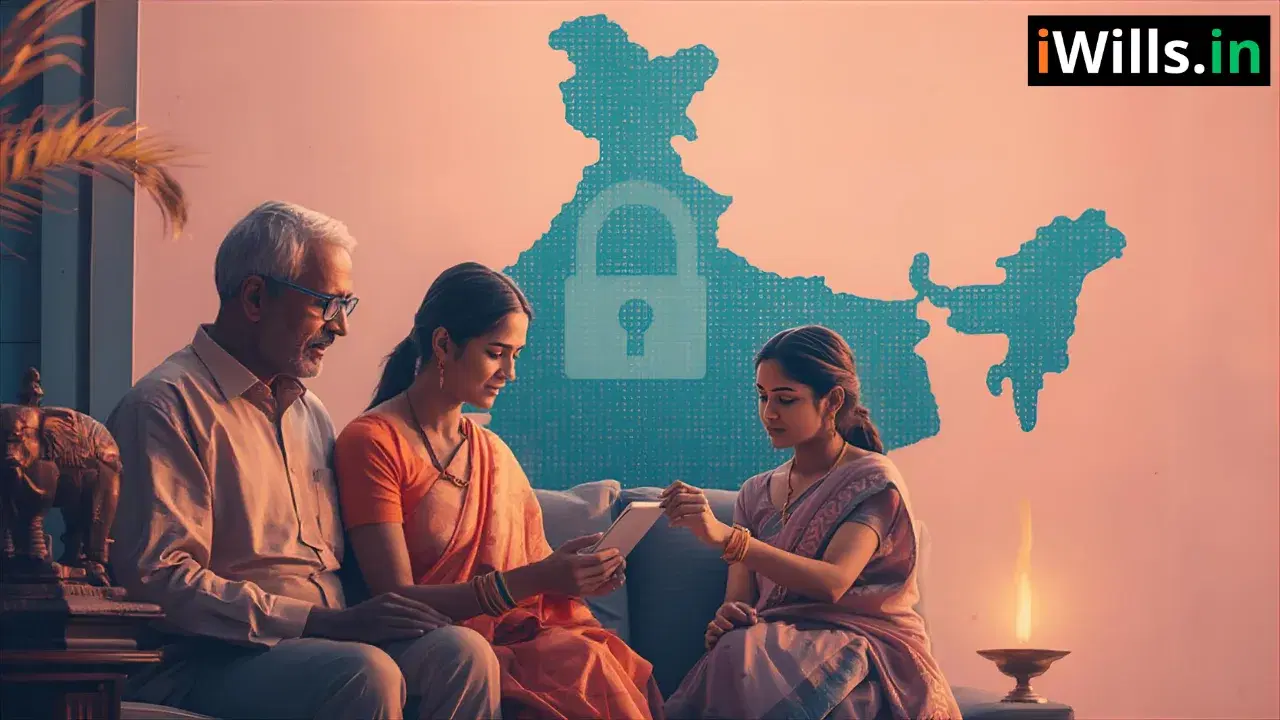
In a landmark observation that highlights a significant "legal loophole" for women in India, the Supreme Court recently issued a stirring appeal: Hindu women should make a Will, irrespective of their age.
While the advice sounds simple, the legal reality behind it is a wake-up call for every woman who believes her property will automatically stay within her birth family or go where she intends after her passing.
The "Hidden" Law: Section 15 of the Hindu Succession Act
The Supreme Court bench, comprising Justice BV Nagarathna and Justice R Mahadevan, highlighted a specific provision that many women are unaware of.
Under the current law, if a Hindu woman dies without a Will (intestate):
The Priority: Her property first goes to her husband and children.
The Catch: If she is a childless widow, her assets do not go to her parents or siblings. Instead, they pass on to her husband’s heirs.
This means that property a woman may have inherited from her own parents or built through her own hard work could legally end up with her in-laws' extended family, even if she had no close relationship with them.
Why Age is Irrelevant
The Court’s emphasis on "irrespective of age" stems from the unpredictable nature of life. Untimely deaths often lead to bitter legal battles between a woman’s birth parents and her husband’s family.
By making a Will, you are not just planning for the end of life; you are exercising your constitutional right to absolute ownership. A Will allows you to override the default "hierarchy" of the Hindu Succession Act and ensure your assets go to the people you actually care about.
Key Takeaways from the Supreme Court Hearing
Mediation First: The Court noted that if parents claim a deceased woman's property, the matter must go through mediation before entering a long-drawn court battle.
The Power of a "Testament": A Will (or testament) is the only foolproof way to avoid "future litigation" among surviving relatives.
A Balance of Rights: While the Court declined to strike down the current law (Section 15) in this specific petition, it made it clear that the best protection for a woman’s legacy is her own written word.
How to Take Action
Acknowledge Your Assets: Whether it’s your salary savings, jewelry, or a flat, it is yours to distribute.
Be Explicit: Clearly state who should inherit your property. If you want your parents or siblings to have a share, you must specify this in a Will.
Don't Procrastinate: As the bench suggested, don't wait for "old age." Security for your loved ones starts with a signature today.
The Bottom Line: Your hard-earned assets should follow your heart, not just a default legal table. Take the Supreme Court’s advice: Write your Will.
Share this article
Join 10,000+ Indians who have secured their legacy with iWills India.