
Why Executors Are the Backbone of Your Will: Role, Significance, and Best Practices in India
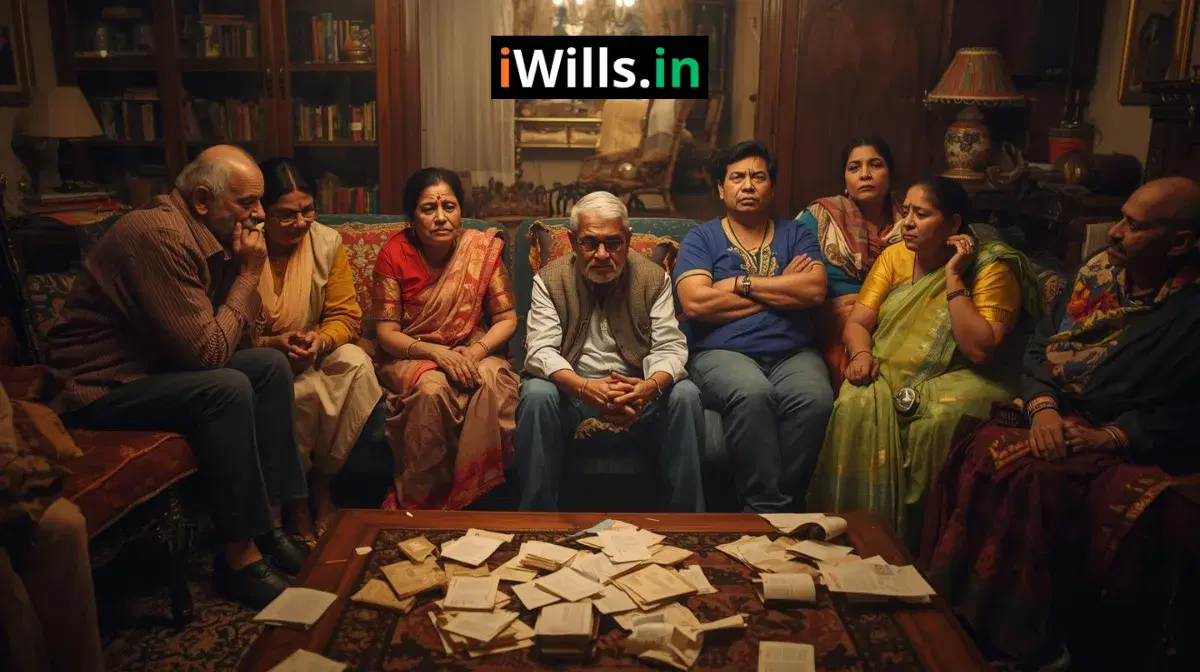
Most Indians focus on “who gets what” in a will but ignore one critical question: who will actually make sure all this happens after you are gone? That person is the executor of your will. The executor is not a ceremonial name on paper. The executor is the legal representative of your estate, responsible for turning your written wishes into reality, dealing with courts, banks and government offices, and protecting your beneficiaries during a vulnerable time.
In Indian law, an executor’s role is both powerful and strictly fiduciary: they must act in good faith, follow the will and the law, and can be personally liable if they misuse the estate. Yet many families either do not appoint an executor at all, or they casually name someone without thinking through the consequences
Section 1: Who is an executor in an Indian will?
An executor is a person (or sometimes a professional or an institution) named in your will to administer your estate after your death. In simple terms, the executor:
Take charge of your assets after your death.
Pay your debts, taxes and expenses.
Distributes the remaining estate to your beneficiaries as per your will.
Under the Indian Succession Act, the executor derives authority directly from the will. In many cases, especially where the law or practice requires it, the executor applies for probate so that a court formally recognises the will and the executor’s authority.
Section 2: What exactly does an executor do?
In practice, a good executor’s responsibilities start the moment you pass away and continue until the estate is fully distributed.
Key duties include:
Securing and listing all assets
The executor must locate, secure and list your assets: bank accounts, investments, properties, lockers, business interests, valuables and even digital assets. This often means contacting different banks, brokers, registrars and government departments and preparing an inventory of the estate.Applying for probate where required
Where probate is legally required or practically advisable, the executor files a probate petition in the appropriate court, produces the original will and the death certificate, issues notices to legal heirs, and handles any objections. Probate is the court’s confirmation that the will is genuine and that the executor is authorised to act.Paying debts, taxes and expenses
Before distributing assets, the executor must pay funeral expenses, last illness expenses, outstanding loans, credit card dues, tax liabilities and other lawful debts of the estate, using estate funds. They may also have to file income-tax returns for the deceased or for the estate until administration is complete.Managing, protecting and sometimes selling assets
The executor has powers to manage and protect estate assets. If necessary, the executor can sell assets to pay debts, consolidate the estate or make a fair cash distribution where physical division is not practical. These powers are recognised under the Indian Succession Act, subject to the will and the law.Distributing the estate and closing the estate
After paying debts and expenses, the executor distributes the remaining assets to beneficiaries exactly as the will directs. The executor should maintain accounts showing what was received, what was paid and what was given to each beneficiary. Once the estate is fully administered and the accounts are accepted, the executor’s role effectively ends.
Section 3: Why is the executor so important?
Bridge between your will and real life
A perfectly drafted will is still just a document. Without a capable executor, your beneficiaries may still have to navigate courts, paperwork and disputes on their own. The executor is the person who converts the written will into actual transfers of money, property and investments.Protection against chaos and disputes
If there is no named executor, the court may have to appoint an administrator. This can cause delay, extra cost and sometimes conflict among family members as they compete for control of the estate. A clearly named executor reduces uncertainty and gives the court and institutions a clear point of contact.One authorised face for the estate
Banks, financial institutions, companies and government authorities generally prefer dealing with one authorised representative of the estate. An executor with a probated will or clear authority makes these interactions smoother and reduces the risk of contradictory claims by different heirs.Fiduciary duty and accountability
An executor is a fiduciary and must act honestly, in good faith and in the best interests of the estate and beneficiaries. If an executor mismanages assets or acts dishonestly, they can be held personally responsible. This duty of care is an important protection for beneficiaries.
Section 4: Who can be an executor in India?
Any person of sound mind who is a major can be appointed an executor, subject to some specific legal restrictions. Practically, executors are often:
A spouse, adult child, sibling or other close relative.
A trusted friend or advisor.
A professional such as an advocate, chartered accountant, or a corporate trustee, especially for complex estates.
Important criteria when choosing an executor include:
Age and health: The executor should be likely to outlive you and be physically capable of doing the work.
Mental capacity: They must be of sound mind and legally capable of contracting.
Integrity: Honesty and trustworthiness are critical because they will control sensitive information and assets.
Ability and temperament: They should be organised, reasonably comfortable with financial matters and willing to seek professional help when needed.
Section 5: Best practices for appointing an executor in your will
Never leave out the executor clause
Many wills in India skip appointing an executor and only deal with distribution. This forces the family to approach the court for Letters of Administration, which is slower and more expensive. Always include a clear clause appointing at least one executor, and preferably an alternate executor in case the first person is unable or unwilling to act.Choose trust and competence over mere seniority
Do not automatically appoint the eldest child or closest relative without thinking. Ask yourself:
Who is most responsible and organised?
Who can handle paperwork, follow through and take decisions?
Who is least likely to be at the centre of family disputes?
Sometimes a younger, financially aware child or a neutral professional may be a better executor than a traditional “head of family”.
Consider professional or co-executors for complex estates
If your estate involves multiple properties, business interests, foreign assets or complex tax issues, consider appointing:
A lawyer or chartered accountant as co-executor along with a family member.
A professional firm or trust company as sole or joint executor.
Professional executors charge fees, but they provide expertise, neutrality and continuity that can prevent large losses from mistakes or prolonged litigation.
Think about residence and practicality
If most of your assets are in India, an executor who lives in India and can easily appear before Indian courts and offices is often more practical than someone settled abroad. For NRIs, a combination of an Indian-resident executor and an overseas family member as co-executors can work well.
Talk to your chosen executors (primary and secondary executors) during your lifetime
Do not surprise someone by naming them executor without their knowledge. Instead:
Discuss your decision with them.
Explain your estate in broad terms.
Confirm they are willing to take on the responsibility.
This conversation is also a reality check on their attitude and willingness to act when needed.
Manage potential conflicts of interest
Beneficiaries can be executors, and often are. But where there is already tension between beneficiaries, making one of them the sole executor can deepen mistrust. To balance this, you may:
Appoint two siblings together as joint executors.
Combine a family member with a professional co-executor.
Give clear powers and instructions in the will
The law gives executors many powers, but it helps to spell out in the will that the executor:
May sell, transfer or encash assets if needed to pay debts and make distributions.
May appoint lawyers, tax advisers and valuers and pay them from the estate.
Should follow any timing conditions you specify (for example, delaying sale of the family home until a minor child attains majority).
Clarity here reduces later disputes about what the executor is allowed to do.
Section 6: Common mistakes to avoid when appointing an executor
Some of the most frequent and costly mistakes include:
Not appointing any executor at all, which forces heirs to seek Letters of Administration.
Appointing an executor purely based on age or tradition, without regard to capability or temperament.
Choosing an executor who lives permanently abroad, with no local co-executor, when all assets and processes are in India.
Failing to name a substitute executor in case the primary executor dies before you or refuses to act.
Not updating the executor clause when relationships, health or geography change.
Section 7: How a structured will-making platform can help
Many people hesitate to name an executor because they do not fully understand the role or worry about burdening someone. A structured will-making and advisory platform can:
Explain, in simple language, what an executor does in the Indian context.
Prompt you to name alternate executors and think about a mix of family and professional options where needed.
Provide checklists and guidance for executors after your death, so that the person you have chosen is not left guessing and can follow a clear roadmap.
If the goal of your will is to truly protect your family and ensure your assets reach the right hands smoothly, then choosing and documenting the right executor is as important as deciding who gets what. Your executor is the person who will carry out your last instructions when you are no longer here to speak—so choose that person with great care, and empower them properly in your will.
Share this article
Join 10,000+ Indians who have secured their legacy with iWills India.