
What Is Probate—and Why Is It So Important in India?
October 17, 2025
iWills.in Team
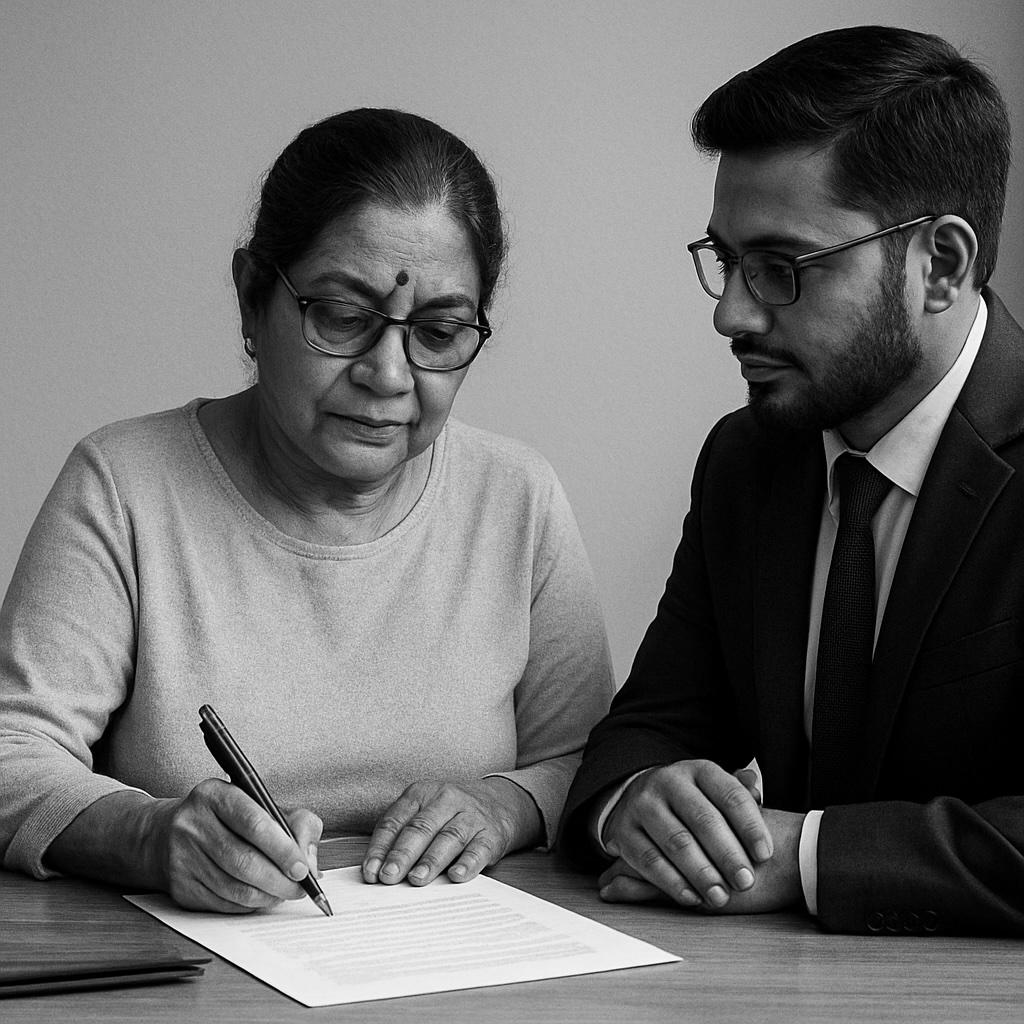
When a loved one passes away, their assets don’t simply transfer to the next generation. Probate is a process that legally recognizes a will and allows the executor to distribute assets according to the deceased’s wishes. Yet, most people don’t understand how probate works—or why it matters.
What Does "Probate" Mean?
Probate is the legal process through which a court certifies the validity of a will after someone dies. If approved, the court grants permission to the executor named in the will to carry out the instructions—distribute property, pay debts, and handle financial affairs.
In simple terms:
Probate = Court approval of a will
Why Is Probate Necessary?
- 1. Authenticates the Will: Confirms that the will is genuine, not forged or altered.
2. Empowers Executors: Gives the nominated person court-backed authority to act—open bank accounts, transfer property, deal with investments.
3. Prevents Disputes: Probate is strong proof; it helps stop arguments between family members about the will’s validity or the assets involved.
4. Required for Certain Assets: Many registrars, banks, and government offices demand probate (or a “succession certificate”) before they transfer property, shares, or large bank deposits.
When Is Probate Required in India?
Mandatory for Wills in Certain Areas: In Mumbai, Chennai, Kolkata, and their surrounding regions, probate is legally mandatory if the will involves property in these jurisdictions, due to the Indian Succession Act, 1925.
Generally Required for Large/Disputed Estates: Even outside those regions, probate is often requested if the estate is substantial, if there are multiple heirs, or if the will’s validity is questioned.
The Probate Process – Step-by-Step
1. Application to Court: The executor applies for probate with the relevant court, submitting the will and required documents (death certificate, asset details, etc.).
2. Notice to Heirs: The court publicly announces the probate application to allow objections or claims from other heirs.
3. Court Review: The judge examines the will, ensures it was properly executed, and hears any challenges.
4. Grant of Probate: If satisfied, the court issues a “probate certificate”—officially approving the will and empowering the executor to proceed.
5. Asset Distribution: The executor pays any debts/taxes and distributes assets as per the will.
Why Is Probate So Important?
1. Protects heirs from future legal troubles—proof of probate helps defend against challenges and delays.
2. Speeds up access to assets—banks and authorities feel secure in handing over assets once probate is granted.
3. Confers legitimacy—ensures the executor’s actions are backed legally, preventing accusations of fraud or favoritism.
4. Prevents family disputes and endless proceedings—a probated will minimizes conflict.
Common Questions
Can a will be enforced without probate?
Sometimes, yes—for small assets or undisputed cases outside mandatory regions. But for property transfers and contested estates, probate is almost always needed.
How long does probate take?
Three to twelve months, depending on complexity and whether objections arise.
What’s the cost?
Court fees and legal expenses vary, but are a small price for legal certainty.
Final Thoughts:
Probate may seem complex, but it is essential for protecting your legacy. If you’re planning your estate, make your will clear and appoint an executor you trust. If you’re an heir, start the probate process early to avoid unnecessary delays and disputes.
Pre-planning and a well-drafted will make probate simple—securing clarity, peace of mind, and family harmony.
Ready to learn more? Explore iwills.in for clear guidance on will creation and probate in India.
Share this article
Probate
Will
Estate
Executor
Inheritance
Indian Succession Act
Asset Distribution
#Probate
#EstatePlanning
#WillandTestament
#InheritanceLaw
#LegalProcess
#IndiaLaw
#SuccessionAct
Secure Your Family's Future Today
Don't leave your legacy to chance. Create a legally valid Will in just 15 minutes.
Join 10,000+ Indians who have secured their legacy with iWills India.