If You Have Just One Son, This Is Why You Still Need a Will in India
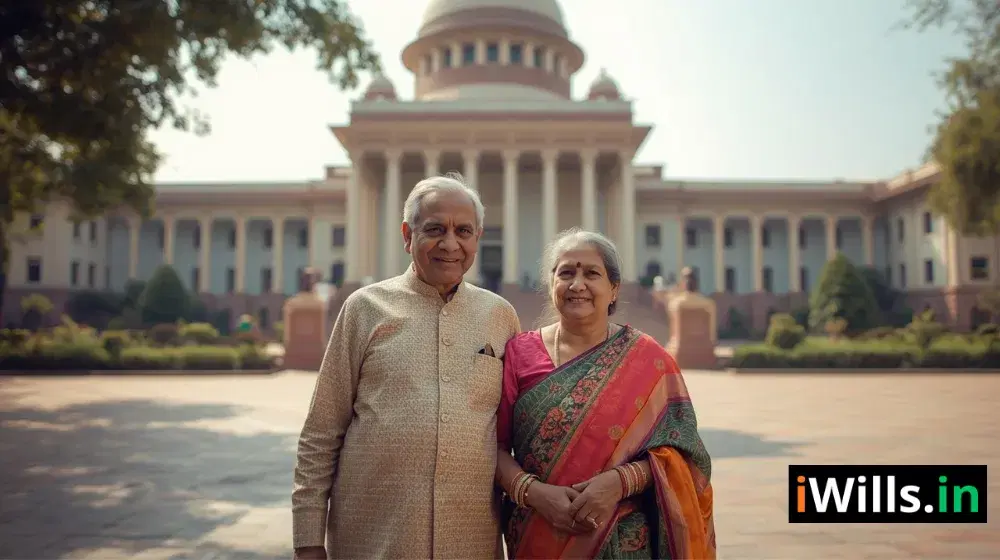
Even if you are a nuclear family with only one son, writing a Will is still essential because Indian succession laws do not simply “hand everything over” automatically and painlessly to him. A clear Will avoids legal delays, unwanted sharing with other heirs, paperwork nightmares, and emotional stress for your son at the worst possible time.
The Big Myth: “Everything Anyway Goes to My Only Son”
Many parents assume that if there is just one child, the law will naturally give everything to that child without complications. In reality, when someone dies without a Will (intestate), Indian law distributes property according to fixed rules in laws like the Hindu Succession Act and Indian Succession Act, not according to family understanding or verbal promises. For many communities, a deceased person’s assets can be shared between spouse, children, and sometimes parents at the same time, even if the parents are financially secure and the intention was to provide only for the surviving spouse and son.
A Will converts what you “thought everyone already understood” into a clear, legally enforceable instruction, removing the scope for later doubts, claims, or surprises.
Without a Will: How the Law Can Complicate Your Son’s Life
If you pass away without a Will, your son does not simply walk into the bank and change names on your property overnight. He will first have to follow a series of legal and procedural steps:
He may have to share by law:
Under the Hindu Succession Act, for example, Class I heirs include spouse, children, and mother; they all get equal shares in self-acquired property if there is no Will. That means your wife and any surviving parent of yours may legally get portions, even if everyone “informally” agrees that the only son should own everything someday.He faces documentation and court processes:
To transfer property, your son may need legal heir certificates, sometimes succession certificates, and then carry out mutation in municipal or revenue records, which increases time and cost. If even one family member hesitates to sign or cooperate, your son can be stuck in long queues and potential disputes.Nominee ≠ owner:
Even if your son is a nominee on bank accounts, mutual funds, or insurance, he is just a trustee, not the final owner in the eyes of law, and other legal heirs can still claim their shares.
In short, intestate succession can leave your son dealing with legal formalities, shared ownership, and negotiation with other relatives, instead of giving him a simple, clear path.
Problems Your Only Son May Face If You Don’t Write a Will
Even in a “simple” nuclear family, your son can run into several very practical problems:
Delays in accessing money and property
Banks, insurers, and mutual funds now strictly follow legal processes; without a Will, they may demand succession certificates or multiple legal heir declarations before releasing funds. This means your son may struggle to pay EMIs, education costs, or medical expenses while your own money remains locked.Shared decision-making with other heirs
If your spouse and parents become co-owners by law, every sale, loan against property, or gift deed may require their signatures. If any heir is old, unwell, living abroad, or not on good terms, your son’s ability to use or sell assets quickly can be blocked.Vulnerability to outside influence
Without a Will, relatives or outsiders can convince a vulnerable heir to demand their legal share, forcing your son into emotional and legal battles he never wanted. Even small disputes on “who gets which flat” or “how to split sale proceeds” can end up in court and permanently damage family relationshipsComplexity with multiple types of assets
Modern families hold assets spread across cities, demat accounts, digital platforms, and joint holdings. Without a Will that lists and directs these clearly, your son may not even know all that exists, and can lose track of investments or digital wealth altogether.
Why a Will Is a Gift of Simplicity to Your Son
A well-drafted Will does much more than just say “everything to my son” on paper:
It fixes who gets what and when
You can specify that your spouse uses and enjoys the property for life and that ultimate ownership goes to your son, or that specific assets go directly to him, reducing confusion. You can also ensure fair treatment of dependents like an elderly parent, while still making your son the clear long‑term owner.It appoints an executor to guide the process
The Indian Succession Act recognises an executor who acts as your legal representative to carry out the Will, coordinate paperwork, and deal with institutions. This reduces the burden on your son to figure everything out alone when he is grieving.It minimises scope for disputes and court cases
When your Will is clear, properly signed, attested, and ideally registered, it becomes much harder for anyone to challenge the distribution later. Your son then deals with execution, not arguments about your intentions.It covers future incomes and liabilities
You can direct what happens to future assets such as dividends, pending payouts, digital incomes, and also specify how loans or guarantees should be repaid from your estate before anything is distributed. This clarity protects your son from surprise liabilities linked to your name.
How iWills India Can Help a “Simple” Family Plan Smartly
Platforms like iWills.in are built precisely for Indian families who think their situation is “simple” and therefore postpone planning. iWills.in guides you to:
List all major assets (property, bank, investments, digital assets) and beneficiaries clearly in one place.
Draft a Will that respects Indian succession laws while reflecting your real wishes, including for a single son.
Ensure witnesses, signatures, and optional registration are done properly so your Will stands up in court if ever required.
For a nuclear family with only one son, writing a Will is not about distrust or complications; it is about ensuring that the child you worked so hard for receiving your legacy with dignity, speed, and minimum stress.
Share this article
Join 10,000+ Indians who have secured their legacy with iWills India.