
How to Write a Will in India: 15 Best Practices to Protect Your Family and Legacy
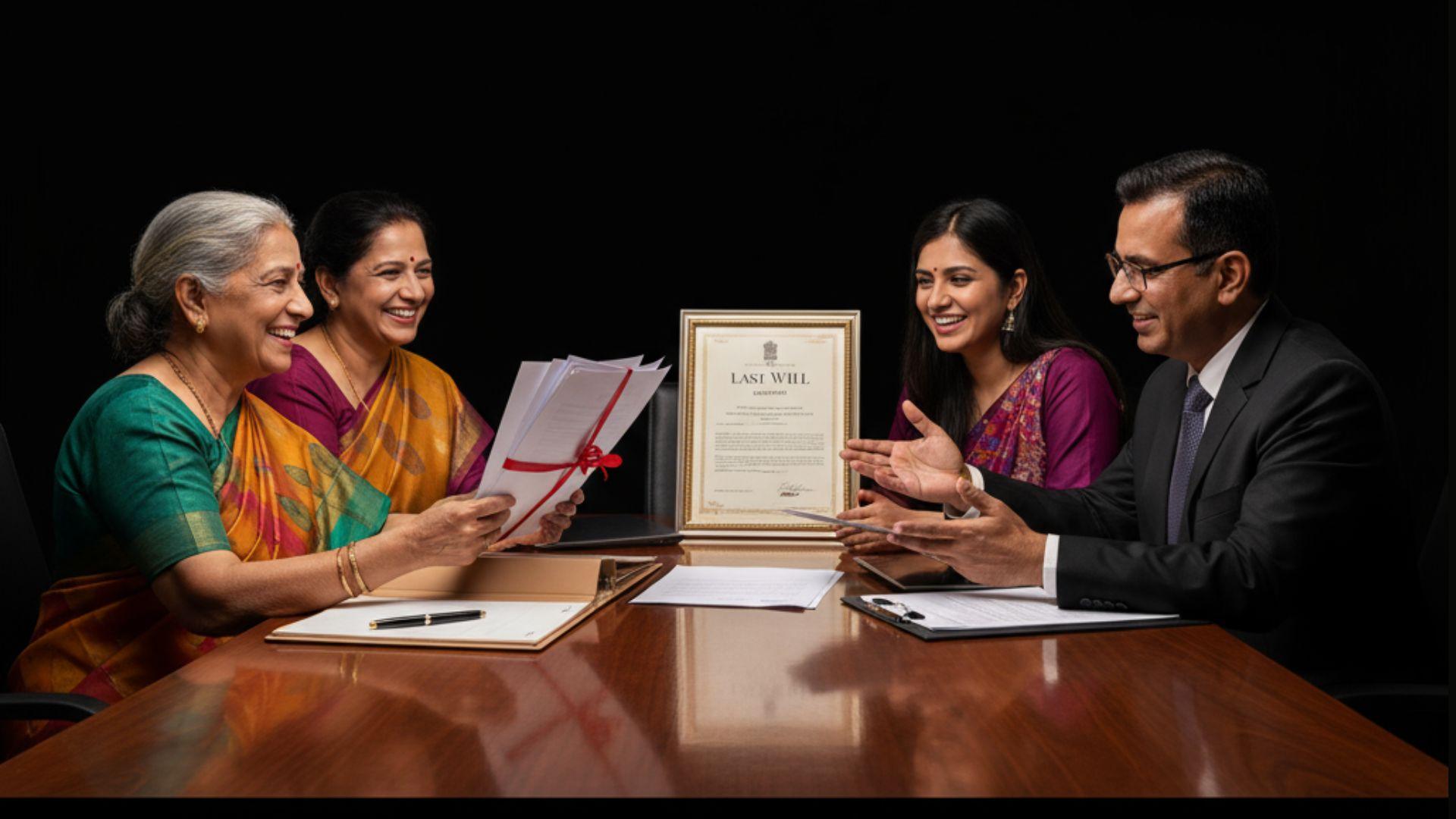
Every month, thousands of crores worth of assets go unclaimed simply because people didn’t write a will. Don’t let that happen to your hard-earned wealth.
Creating a will is not just for the wealthy — it’s for anyone who wants their family to be taken care of without confusion or conflict. Whether you live in India or abroad, here’s a simple guide to help you create a legally valid, dispute-free will.
1. Keep It Simple and Clear
Write your will in plain language — avoid legal jargon or complicated terms. It can even be written on plain paper; what matters is clarity.
2. List All Your Assets and Beneficiaries
Include everything — bank accounts, property, jewellery, vehicles, mutual funds, even digital assets. Mention the full name and relationship of each beneficiary.
3. Clarify Nominee vs. Beneficiary
Nominees in your bank or insurance accounts aren’t necessarily the legal owners. Clearly specify in your will if the nominee is also meant to inherit that asset.
4. Appoint a Trusted Executor
Your executor ensures your wishes are carried out. Choose someone responsible and preferably younger than you. The executor doesn’t have to be a lawyer or family member.
5. Appoint a Guardian for Minor Children
If you have children under 18 or dependents with special needs, legally appoint a guardian in your will. This ensures their care is not left to chance.
6. Sign and Witness Properly
Sign your will in the presence of two independent witnesses — and make sure they sign in front of you. Beneficiaries should not be witnesses.
7. Consider Registering Your Will
Registration is optional but adds a layer of legal authenticity. A registered will is harder to challenge in court.
8. Store It Safely
Keep the original signed copy in a secure location (like a locker). Inform your executor or a trusted family member where it’s kept.
How to Prevent Family Disputes
9. Review Regularly
Revisit your will every few years or after major life changes — marriage, birth, or property purchase.
10. Talk to Your Family
A short conversation today can prevent years of emotional and legal stress later. Communicate your decisions openly, especially with your executor.
11. Be Specific About Asset Distribution
For real estate, mention details like address and ownership percentage. For movable assets, mention “entire balance as on date of demise” instead of fixed amounts.
12. Mention Disinheritance Clearly
If you want to exclude a legal heir, explicitly mention it in your will — and if you’re comfortable, state your reason to avoid disputes.
13. Use Trusts for Conditional Transfers
If you want to pass assets when a child reaches a certain age or milestone, a trust can make this smooth and legally enforceable.
Legal Essentials You Should Know
14. Get Expert Advice
Laws differ based on religion — Hindus follow the Hindu Succession Act, Muslims follow Personal Law, and others follow the Indian Succession Act. A legal expert or iWills advisor can help you structure your will correctly.
15. Understand Probate and Property Types
In some cities (like Mumbai, Chennai, and Kolkata), a probate—court approval of the will—may be required.
Also remember:
Self-acquired property: You can give it to anyone you wish.
Ancestral property: Legal heirs automatically have rights — you can’t exclude them fully.
If you’re elderly or unwell, consider getting a doctor’s certificate of sound mind or recording the signing — it strengthens your will’s authenticity.
Final Thoughts
A will is not about death — it’s about clarity, care, and control. It’s your voice when you’re not around. At iWills.in, we make this process simple, secure, and fully digital. You can create your will in just 10 minutes — guided by legal templates and expert-backed validation.
Share this article
Join 10,000+ Indians who have secured their legacy with iWills India.