
Gift Deed vs. Will: The Court Case That Proves One is an 'Undo-Button' and the Other Isn't
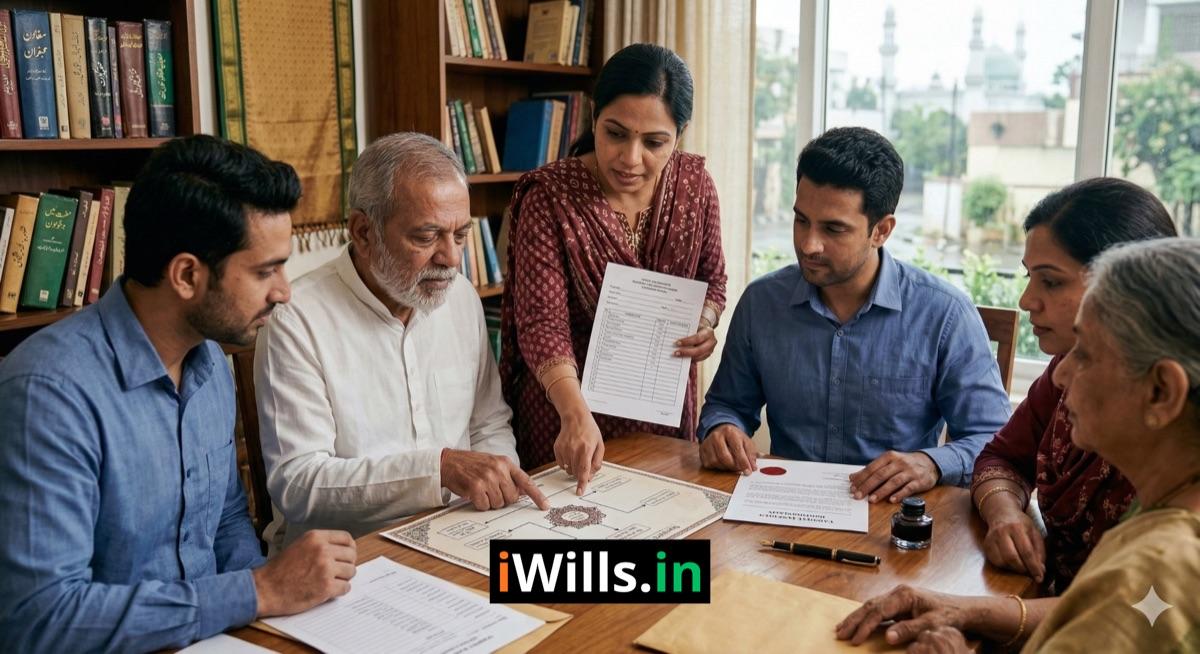
In Indian families, property is often more than just an asset; it is an expression of love, legacy, and trust. It is common for elders to execute a Gift Deed in favor of a child or grandchild, believing that this gesture of "love and affection" secures their future.
However, a recent landmark judgment by the Telangana High Court (2025) serves as a critical wake-up call for senior citizens and property owners. The court ruled that a grandfather could not cancel a gift deed made to his grandson simply because the relationship had soured or he was "upset" with the grandson’s behavior, especially after the grandson had already invested nearly ₹4 crore in improving the property.
At iWills, we believe in informed estate planning. This ruling highlights why a Gift Deed is often a double-edged sword and why a Will might be the safer alternative.
The Case: Grandfather vs. Grandson
The dispute involved a 90-year-old retired headmaster who, in 2018, gifted a property in Kothapet to his 40-year-old grandson. As years passed, the relationship deteriorated. The grandfather approached the authorities to cancel the deed, alleging neglect and claiming the gift was based on an "understanding" that he would be cared for in his old age.
By the time the legal battle reached the High Court, the grandson had already demolished the old structure and invested nearly ₹4 crore to build a new two-story building on the land.
Why the High Court Refused the Cancellation
The Division Bench, comprising Chief Justice Aparesh Kumar Singh and Justice G.M. Mohiuddin, clarified three vital legal principles that every property owner should know:
1. Condition Precedent: The 'Express' Clause in Section 23
Under Section 23 of the Maintenance and Welfare of Parents and Senior Citizens Act, 2007, a gift can be declared void only if the deed specifically states that the transfer is subject to the condition that the transferee (the receiver) provides basic amenities and physical needs to the senior citizen.
The Verdict: In this case, the gift deed contained no such written condition. The court held that "neglect" or "emotional hurt" cannot be grounds for cancellation unless that specific clause was written into the document at the time of registration.
2. Inter Vivos and In Praesenti: The Permanent Nature of a Gift
Unlike a Will, which only takes effect after death, a Gift Deed is in praesenti—it is effective immediately. Once a gift is voluntarily executed, accepted by the receiver, and registered, the donor (the giver) completely divests themselves of the title.
The Verdict: The court noted that because the legal requirements of the Transfer of Property Act were met, the grandfather had no unilateral right to "take back" the property just because he changed his mind later.
3. Equitable Estoppel: Protecting the Donee's Investment
The court also looked at the fact that the grandson had significantly improved the property, spending crores on construction. Cancelling a deed years later, after the receiver has acted upon it and invested in it, creates a legal mess that courts are often unwilling to entertain.
Gift Deed vs. Will: Which is right for you?
This judgment exposes the primary risk of a Gift Deed: Loss of Control.
The Risk of a Gift Deed: Once you sign and register it, the property belongs to the other person. You cannot cancel it if they stop talking to you, if they get married and their spouse disagrees with you, or if they decide to sell the house you are living in—unless you have very specific "maintenance clauses" drafted by a legal expert.
The Power of a Will: A Will allows you to stay the absolute owner of your property until your last breath. You can change, revoke, or rewrite your Will a hundred times if your circumstances or relationships change. It offers the same end result (transfer of property) but keeps the power in your hands.
The "Undo" Button: Why a Will is Safer Than a Gift Deed
When it comes to passing on your property, there are two main paths: the Gift Deed and the Will. While both transfer ownership, they operate on completely different timelines—and in the eyes of the law, timing is everything.
As seen in the recent Telangana High Court judgment, a grandfather who gifted his property to his grandson found himself in a legal deadlock when the relationship soured. He tried to cancel the gift, but the Court said "No." The reason? A gift is final. A Will, however, is flexible.
1. The Power of "Revocability"
The biggest advantage of a Will over a Gift Deed is the power to change your mind.
2. Safeguard Against "Change of Heart"
Human relationships are unpredictable. A grandson who is respectful today may become neglectful five years from now.
In the Telangana case, the grandfather alleged neglect, but because the Gift Deed didn't have a specific "maintenance clause," the law couldn't help him.
With a Will, you don't need a "reason" to change your beneficiary. You don't have to prove neglect in court. You simply execute a new Will (a Codicil or a fresh document) that supersedes the previous one. The latest Will is always the one that the law recognizes.
3. Retaining Financial Leverage
When you execute a Gift Deed, you lose your "bargaining chip." If the property is your primary residence or your main asset, giving it away makes you a guest in your own home.
By choosing a Will, you remain the absolute owner. You can sell the property, mortgage it, or rent it out without asking anyone for permission.
This ensures that your children or grandchildren remain incentivized to care for you, knowing that the inheritance depends on the continued strength of the relationship.
4. Taxation Considerations
The two instruments also differ in their immediate financial implications:
5. Avoiding the "₹4 Crore Trap"
In the recent High Court ruling, the grandson had already spent ₹4 crore building a new structure on the gifted land. Because the title had already passed to him via the Gift Deed, he was legally allowed to do this.
If the grandfather had written a Will instead, the grandson would not have been able to demolish or build on the property without the grandfather's consent, as the title would still be in the grandfather's name.
Closing Thoughts
The law protects your right to give, but it also protects the finality of that gift. As the Telangana High Court demonstrated, "love and affection" are the reasons for a gift, but they are not legal conditions that allow you to hit the "undo" button. The law is clear: A gift is a permanent transfer. If you want to ensure your property goes to your loved ones but want the peace of mind that comes with being able to "change your mind," a Will is the only logical choice. Protect your future by keeping the "undo" button in your pocket.
Next Steps
If you are considering transferring your property to a loved one, ensure your documents are drafted with foresight. Whether it is adding a protective maintenance clause to a Gift Deed or opting for a robust Registered Will, professional guidance is essential to ensure your golden years remain secure.
Share this article
Join 10,000+ Indians who have secured their legacy with iWills India.